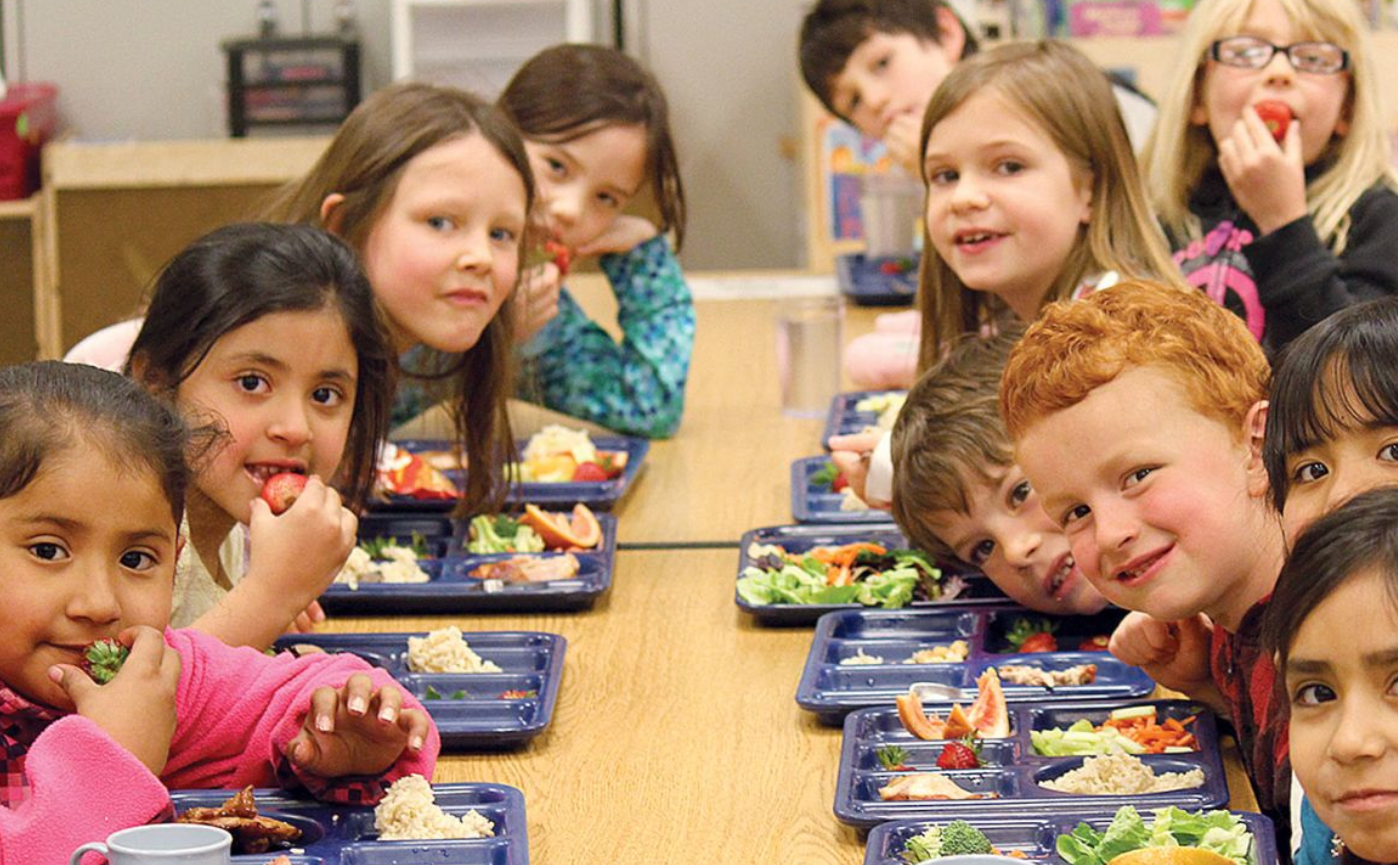
Healthy meals are essential for children to grow strong, stay active, and perform well in school. Kids require proper nutrition for physical growth, brain development, and strong immunity. The food children eat every day plays a crucial role in shaping their overall health and habits for life.
Healthy meals for kids include fruits, vegetables, whole grains, proteins, and healthy fats. These foods provide essential vitamins, minerals, fiber, and energy that support growth, focus, and overall development.
Why Healthy Food Is Important for Kids
Children are in a phase of rapid growth and need balanced nutrition to support their physical and mental development. Healthy food helps build strong bones and muscles, improves concentration, boosts immunity, and maintains energy levels throughout the day.
Poor eating habits, such as consuming too much junk food or skipping meals, can affect a child’s growth, learning, and overall well-being. Nutritious meals ensure kids remain active, alert, and healthy.
Essential Nutrients for Kids
The body needs different nutrients to grow and stay healthy. For children, these include:
- Proteins – Eggs, milk, yogurt, beans, and lean meat help build muscles and repair tissues.
- Carbohydrates – Whole grains like rice, oats, and bread provide energy for daily activities.
- Vitamins and Minerals – Fruits and vegetables supply vitamins A, C, and E, and minerals like calcium and iron for immunity, bone health, and proper growth.
- Healthy Fats – Nuts, seeds, and fish support brain development and overall health.
- Fiber – Vegetables, fruits, and whole grains improve digestion and prevent stomach problems.
Including all these nutrients in daily meals ensures balanced growth and strong immunity.
Importance of a Healthy Breakfast
Breakfast is the most important meal for kids. It provides energy for school and morning activities. A nutritious breakfast may include eggs, whole-grain bread, fruits, and milk. Eating breakfast improves focus, memory, and overall performance in school.
Skipping breakfast can lead to low energy, poor concentration, and irritability. Children who eat healthy breakfast options perform better and stay active during the day.
Nutritious Snacks for Kids
Healthy snacks between meals help maintain energy and focus. Fruits, nuts, yogurt, or whole-grain crackers are excellent options. These snacks prevent hunger, reduce cravings for junk food, and provide additional nutrients for growth and brain function.
Avoiding chips, candies, and sugary drinks ensures kids get the nutrients they need without extra sugar and unhealthy fats.
Hydration and Its Role
Water is essential for children’s health. Proper hydration helps digestion, supports circulation, and improves concentration. Kids should drink water throughout the day, especially during play or sports. Avoid sugary drinks, which can affect energy levels and dental health.
Creating Healthy Eating Habits
Healthy meals are not just about the right food—they are also about habits. Encouraging kids to eat at regular times, try different foods, and enjoy meals with family helps develop lifelong healthy eating habits. Involving children in meal preparation can also make them more interested in nutritious foods.
Consistency is key. Small steps like adding a vegetable to each meal or offering fruits as snacks can significantly improve a child’s nutrition over time.
Long-Term Benefits of Healthy Meals
Eating healthy meals consistently helps children grow stronger, think clearly, and stay active. It improves immunity, reduces the risk of illness, and lays the foundation for lifelong health. Children with good nutrition are more likely to develop positive eating habits as adults.
Conclusion
Healthy meals for kids are essential for physical growth, mental development, and overall well-being. Balanced meals with fruits, vegetables, whole grains, proteins, and healthy fats provide energy, strengthen immunity, and support brain function. By encouraging children to eat nutritious food every day, parents can help them grow strong, stay active, and perform better in school. Healthy eating in childhood is the first step toward a lifetime of good health and well-being.