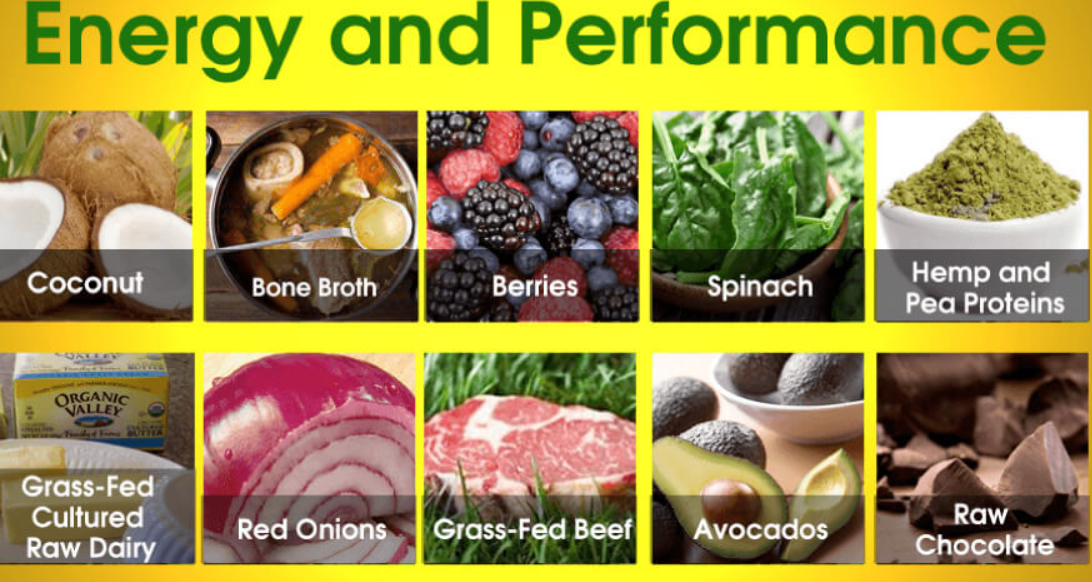
Healthy food plays a major role in keeping the body energetic and active. What we eat affects our strength, mood, and ability to perform daily tasks. Consuming nutritious food regularly helps the body get the energy it needs and keeps the mind focused.
Healthy food includes fruits, vegetables, whole grains, proteins, and healthy fats. These foods provide essential nutrients that help the body stay strong, recover from fatigue, and perform well throughout the day.
The Importance of Energy from Food
Food is the main source of energy for the body. Carbohydrates, proteins, and fats are converted into energy that fuels daily activities. Without enough energy, people may feel tired, weak, and unable to concentrate.
Nutritious food ensures a steady supply of energy. Fruits, vegetables, and whole grains release energy slowly, keeping the body active for longer periods. This helps people remain productive at work, school, or during physical activities.
How Healthy Food Boosts Physical Performance
Healthy food improves physical performance by supplying muscles with the nutrients they need. Protein-rich foods such as eggs, milk, beans, and lentils help build and repair muscles. Carbohydrates provide the fuel for energy, while healthy fats support long-lasting stamina.
People who eat a balanced diet feel less tired during exercise or daily work. Proper nutrition helps prevent muscle weakness and promotes better endurance for physical activities.
Healthy Food and Mental Focus
Food not only fuels the body but also the brain. Nutrients from healthy food help improve concentration, memory, and learning ability. People who eat nutritious meals regularly are better able to focus on tasks and solve problems effectively.
Vitamins and minerals in fruits and vegetables support brain health and reduce mental fatigue. Healthy eating helps maintain emotional balance and improves overall mental well-being.
Preventing Fatigue with Balanced Nutrition
A diet lacking essential nutrients often leads to fatigue, low energy, and poor performance. Consuming unhealthy food, such as fast food or sugary snacks, may give short-term energy but often results in tiredness later.
Balanced meals, on the other hand, provide consistent energy throughout the day. Including fresh fruits, vegetables, whole grains, and proteins in meals prevents energy crashes and keeps the body active.
Role of Water and Hydration
Staying hydrated is an important part of maintaining energy. Drinking enough water helps the body function properly and supports digestion, circulation, and temperature regulation. Combining water with a nutritious diet maximizes energy levels and overall health.
Developing Healthy Eating Habits
Healthy eating habits contribute to better daily performance. Eating meals on time, avoiding excessive junk food, and choosing fresh ingredients improve both energy and focus. Home-cooked meals are often more nutritious and provide balanced nutrition for sustained energy.
Including snacks such as fruits, nuts, or yogurt can prevent mid-day fatigue and improve concentration. Small changes in daily diet lead to noticeable improvements in energy levels.
Long-Term Benefits of Eating Healthy
Consistent consumption of healthy food not only improves energy today but also supports long-term health. Proper nutrition reduces the risk of chronic diseases, maintains a healthy weight, and keeps the body strong and active throughout life.
People who develop healthy eating habits are more likely to stay active, perform well in daily tasks, and enjoy better mental clarity. Good nutrition is a key factor in a productive and healthy life.
Conclusion
Healthy food is essential for energy, physical performance, and mental focus. It provides the nutrients needed for daily activities, supports muscle growth, and prevents fatigue. By eating nutritious meals and maintaining proper hydration, people can stay strong, active, and productive every day. Healthy food is not just a choice but a foundation for a better life.