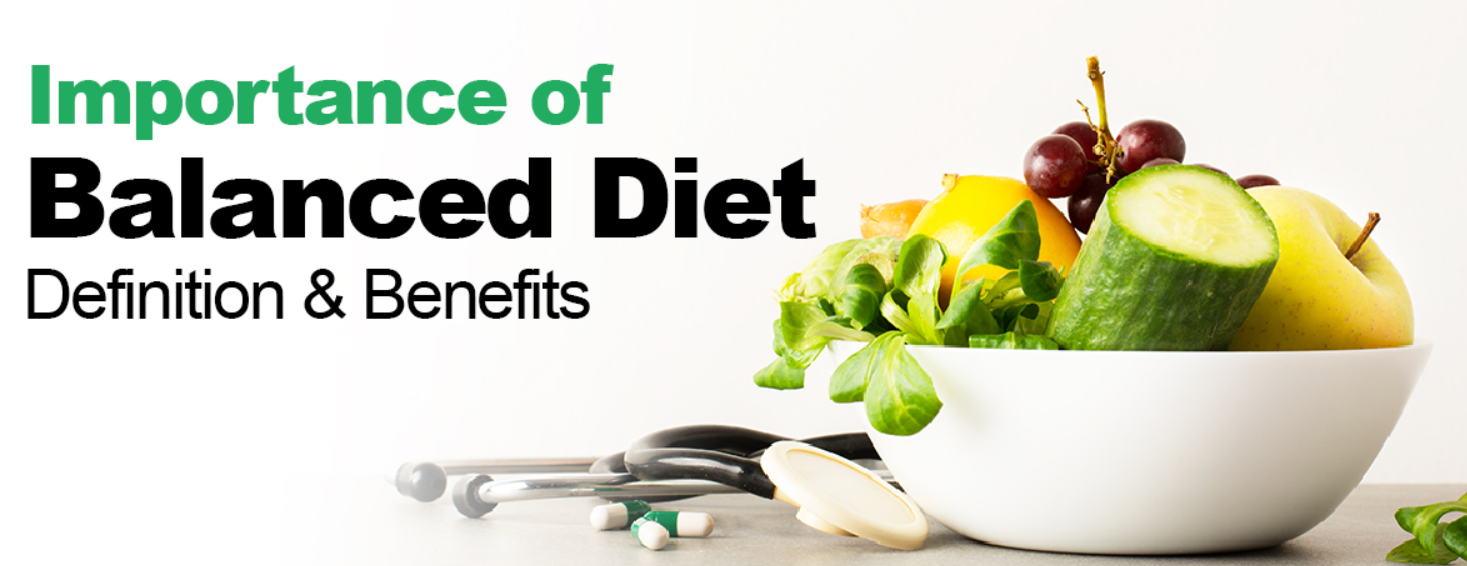
A balanced diet is essential for maintaining good health and overall well-being. It means eating a variety of foods in the right amount so the body receives all necessary nutrients. A balanced diet helps the body stay strong, active, and protected from many health problems.
Food provides energy and nutrients that support growth, repair body tissues, and keep organs working properly. When people follow a balanced diet, they feel more energetic and are able to perform daily tasks with ease. Good eating habits play a major role in building a healthy lifestyle.
What Is a Balanced Diet?
A balanced diet includes foods from all major food groups such as fruits, vegetables, grains, proteins, and healthy fats. Each food group provides different nutrients that the body needs to function properly.
Fruits and vegetables provide vitamins, minerals, and fiber. Grains supply carbohydrates for energy. Protein-rich foods help build muscles and repair tissues. Healthy fats support brain and heart health. Eating all these foods in the right proportion keeps the body balanced and healthy.
Importance of a Balanced Diet
A balanced diet helps maintain proper body weight and prevents weakness. It supports the immune system and helps the body fight infections. People who eat balanced meals regularly are less likely to suffer from nutritional deficiencies.
Children need a balanced diet for proper growth and development. Adults need it to stay active and productive, while older people benefit from it to maintain strength and immunity. A balanced diet is important for people of all ages.
Balanced Diet and Energy Levels
One of the main benefits of a balanced diet is steady energy throughout the day. Healthy food provides long-lasting energy and prevents sudden tiredness. People who eat balanced meals feel less exhausted and more focused.
Unbalanced eating habits may cause weakness, lack of concentration, and low productivity. A balanced diet ensures the body receives fuel in a healthy and effective way.
Role in Mental and Emotional Health
A balanced diet also supports mental health. Nutritious food helps improve memory, focus, and learning ability. It supports brain function and reduces mental fatigue.
People who eat healthy food regularly often feel more positive and emotionally stable. Proper nutrition helps reduce stress and supports better sleep, which is important for mental well-being.
Balanced Diet and Disease Prevention
Eating a balanced diet helps prevent many health problems. It reduces the risk of heart disease, obesity, and digestive issues. Fruits and vegetables contain antioxidants that protect the body from harmful substances.
Whole grains help control blood sugar levels, while healthy fats support heart health. Balanced nutrition also helps maintain healthy blood pressure and cholesterol levels.
Healthy Eating Habits for a Balanced Diet
Developing healthy eating habits is important for following a balanced diet. Eating meals on time and avoiding excessive junk food can improve overall health. Drinking enough water also helps the body stay hydrated and function properly.
Home-cooked meals are usually more balanced and nutritious than processed food. Including a variety of fresh foods in daily meals helps meet the body’s nutritional needs.
Long-Term Benefits of a Balanced Diet
Following a balanced diet provides long-term health benefits. It improves physical strength, mental clarity, and overall quality of life. Healthy eating habits reduce the risk of chronic diseases and support long life.
People who maintain a balanced diet often feel more confident, active, and healthy. Good nutrition supports a strong body and a positive lifestyle.
Conclusion
A balanced diet is the key to good health and a better life. It provides essential nutrients, supports energy levels, improves mental health, and protects against diseases. By choosing a balanced diet every day, people can enjoy a healthier body, a sharper mind, and a happier life.